

In the world of interior design, the interaction of shade, material, and brightness serves as the cornerstone for designing spaces that vibrate with coziness and sophistication. Each room has a story to share, and through deliberate design selections, we can evoke feelings and produce settings that enrich our daily lives. Whether it’s a comfortable living room, a serene bedroom, or a energetic kitchen, each room can showcase our identity and lifestyle.
As we explore the nuances of modern interior design, we will examine essential concepts such as creating cozy areas that offer comfort, the art of maximizing utility in small areas, and the importance of color psychology in establishing the intended mood. From leveraging the power of sunlight to embracing sustainable practices, this exploration will lead you through the current trends and timeless principles that can change any home into a retreat. Come South Florida Interior Designer on this journey to discover how to truly improve your living spaces and bring your idea to reality.
Creating Cozy Spaces
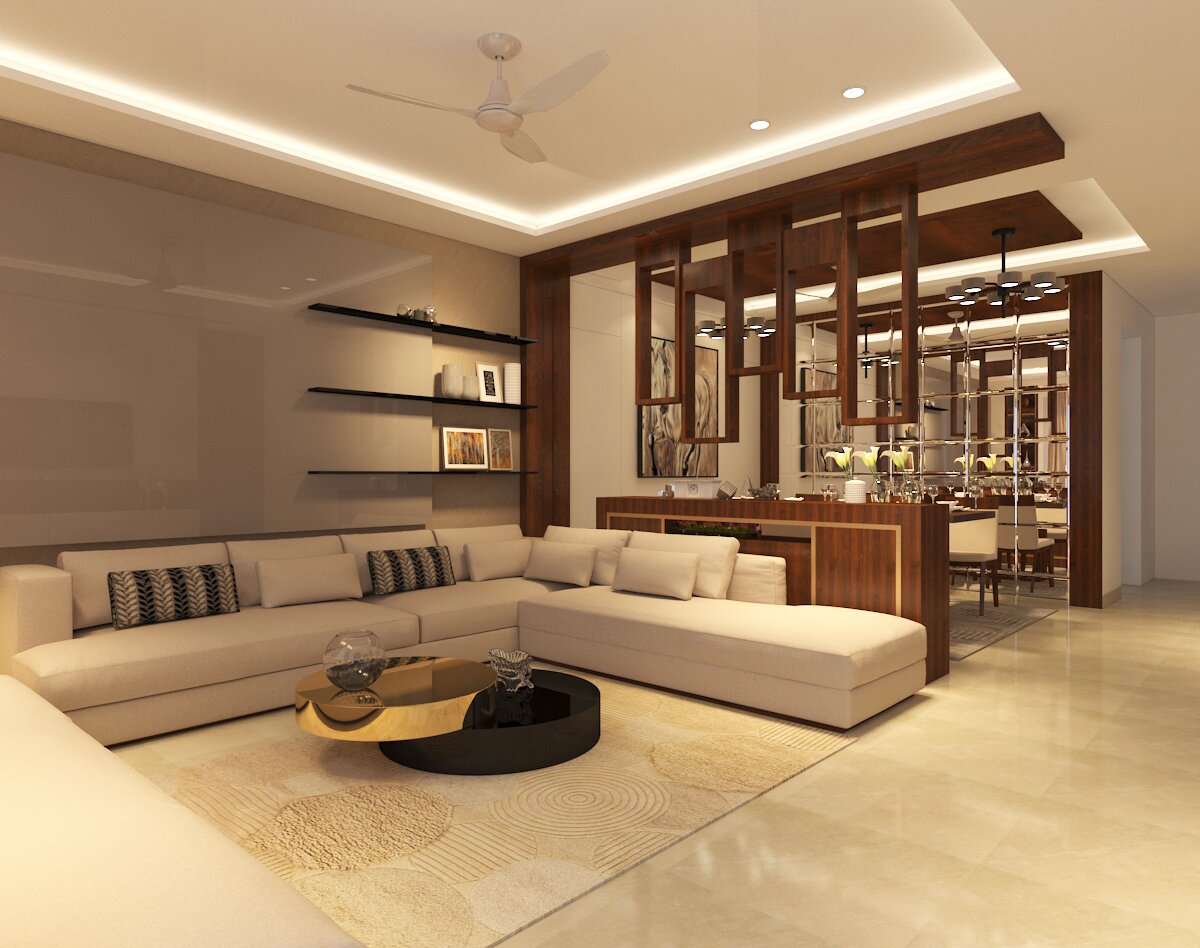
When designing a cozy environment, the selection of hues plays a significant role in setting the atmosphere. Warm tones, such as deep reds, soft oranges, and creamy yellows, can inspire emotions of comfort and solace. Introducing these hues through wall color, furniture, or accessories can change a room, making it feel embracing. Additionally, layering various textures—like plush textiles, comfortable rugs, and warm woods—adds depth to the design, creating an environment where one feels at peace.
Illumination is another essential element in establishing a cozy atmosphere. Natural light should be embraced where possible, as it not only brightens a space but also boosts its coziness. In addition to natural light, the incorporation of warm-toned light sources, such as table lamps and sconces, can provide gentle illumination that contributes to a comforting ambiance. Think about using dimmers to adjust the brightness of light, enabling the space to transition from a lively social area to a serene retreat.
Seating arrangement is essential for fostering a cozy atmosphere in any room. Arranging furniture to facilitate conversation, such as grouping seating around a coffee table, can create a more intimate setting. Additionally, incorporating cozy elements like oversized blankets, cushions, and inviting chairs encourages relaxation and makes the space feel more personal. Ultimately, creating a cozy space is about fusing color, light, and layout to cultivate a sense of coziness and belonging.
Color Psychology and Light from Nature
The interaction of color psychology and light from nature is crucial in interior design, influencing the mood and vibe of a space. Colors evoke feelings and set the tone for how a room is perceived, while light from nature enhances these colors, bringing them to vibrancy. For instance, warm colors like crimson and amber can create a feeling of energy and warmth, whereas cooler colors like sapphires and greens promote serenity and peace. When paired with ample natural light, these hues can transform a room into a space where individuals genuinely feel at ease and content.
Natural light not only highlights the true shades of colors but also influences how they are perceived throughout the day. A room bathed in daylight will appear varied in the morning compared to the soft glow of the evening. Recognizing this interplay allows interior designers to thoughtfully choose and arrange colors, ensuring a balanced connection between hue and light. For South Florida Interior Design , a gentle pastel in a well-lit room can feel spacious and free, while the same color may seem dull in a dimly lit space. This awareness enables designers to create settings that feel cohesive and uplifting.
Adding expansive windows, skylights, and reflective surfaces can maximize the benefits of natural light, which, when paired with thoughtfully chosen colors, enhances the design as a whole. By taking into account both color psychology and light from nature, designers can create areas that not only appear beautiful but also promote well-being and comfort. This synergy is crucial in designing interiors that connect with those who inhabit them, providing an uplifting and inviting environment.
Contemporary Trends in Sustainable Design
The growth of sustainable interior design shows a growing awareness of ecological issues and a wish for eco-friendly living. Interior designers are more and more opting for materials that are sustainable, recycled, or ethically sourced, ensuring that their works not just are visually appealing but also reduce environmental impact. Bamboo flooring, reclaimed wood furnishings, and organic textiles are just a few instances of options that reflect this trend, allowing residents to showcase their style while making thoughtful decisions for the planet.
Incorporating energy-efficient lighting and appliances is another essential aspect of modern sustainable design. Experts are recommending LED lights and devices that consume less energy, leading to lower utility costs and a reduced carbon footprint. Natural light plays a vital role too, with an emphasis on maximizing windows and open spaces to create bright and airy interiors that reduce the need for artificial lighting. This method not only improves the appearance of a home but fosters a healthier living environment.
Biophilic design, which seeks to link people with nature, is becoming increasingly popular in sustainable interior design. This concept incorporates natural elements like plants, aquatic elements, and organic shapes into interior spaces, fostering a sense of tranquility and wellness. By focusing on air quality and including living walls or indoor gardens, designers can create atmospheres that not just look appealing but also enhance psychological well-being and enhance the overall quality of life for inhabitants.