

Interior design is more than just about selecting colors and placing furniture; it is an art that changes our living spaces into reflections of our individual personalities and lifestyles. Whether you live in a cozy apartment or a sprawling house, the principles of interior design can convert any space into a sanctuary of comfort and style. In a world where we constantly look for shelter from the chaos of everyday life, creating cozy spaces has turned into essential, allowing us to recharge and engage with ourselves and loved ones.
The design of our interiors greatly influences how we feel and engage with our environment. From grasping color psychology to maximizing functionality in small spaces, each element is vital in the harmony of our homes. Embracing contemporary trends, exploring sustainable options, and integrating nature through biophilic design are just some of the ways we can create interiors that not only look stunning but also resonate with comfort and well-being. As we delve into the essentials of interior layouts, we will explore how intentional design can enhance our everyday lives, transforming our homes into spaces of calm and joy.
Cozy Areas: Creating for Comfort
Establishing cozy spaces in home design is important for cultivating an environment where individuals feel at ease and at home. The use of colors plays a vital role in realizing this, as inviting tones such as warm browns, soft yellows, and warm reds can evoke feelings of warmth and comfort. By integrating these colors into the walls, decor, and decor, one can set an appealing tone throughout a room. Additionally, mixing textures through textiles like plush rugs, warm throws, and soft pillows can introduce depth and a sense of coziness to a space, making it more attractive.
The layout of furniture is also important in designing for comfort. Focusing on close seating arrangements, such as arranging sofas and chairs to face one another, promotes conversation and connection among occupants. Guaranteeing that there is enough space for movement while not overcrowding the area adds to a comfortable environment. The scale and proportion of the furniture should fit the room size, promoting an inviting feel without making the space feel cramped. Careful selections and arrangements create a unified and supportive atmosphere.
Finally, incorporating elements from nature can considerably enhance the comfort level of a space. Nature-centric design incorporates elements from nature such as plants and natural materials, which can help reduce stress levels and improve overall well-being. Strategically placed indoor plants not only boost air quality but also add a lively touch to interiors. Additionally, using sustainable materials like wood and stone in furniture or décor pieces connects the indoors with the outdoors, thereby adding to the overall sense of comfort and tranquility in the home.
Optimizing Tiny Areas: Function Meets Style
In small areas, every square foot matters, and thoughtful interior design becomes essential. The key is to select furniture that is both functional and stylish. Multi-purpose items, such as a convertible sofa or an poof that serves as a place for storage, can help maximize efficiency without detracting from aesthetics. When choosing furnishings, choose furnishings that are suitable for the space’s dimensions to prevent clutter. Sleek designs and neutral colors can create an illusion of spaciousness while preserving a elegant appearance.
A further important element of efficient small space design is the smart use of arrangement. Contemplate an unified layout that encourages movement and connection between spaces while clearly defining spaces for different uses. Use accent rugs to mark space within a room without building barriers. Upward storage ideas, such as shelves and mounted cabinets, can free up open space, keeping the area appearing open and neat. It's also beneficial to exploit corners and nooks effectively, possibly including a quaint table or armchair in often ignored areas.
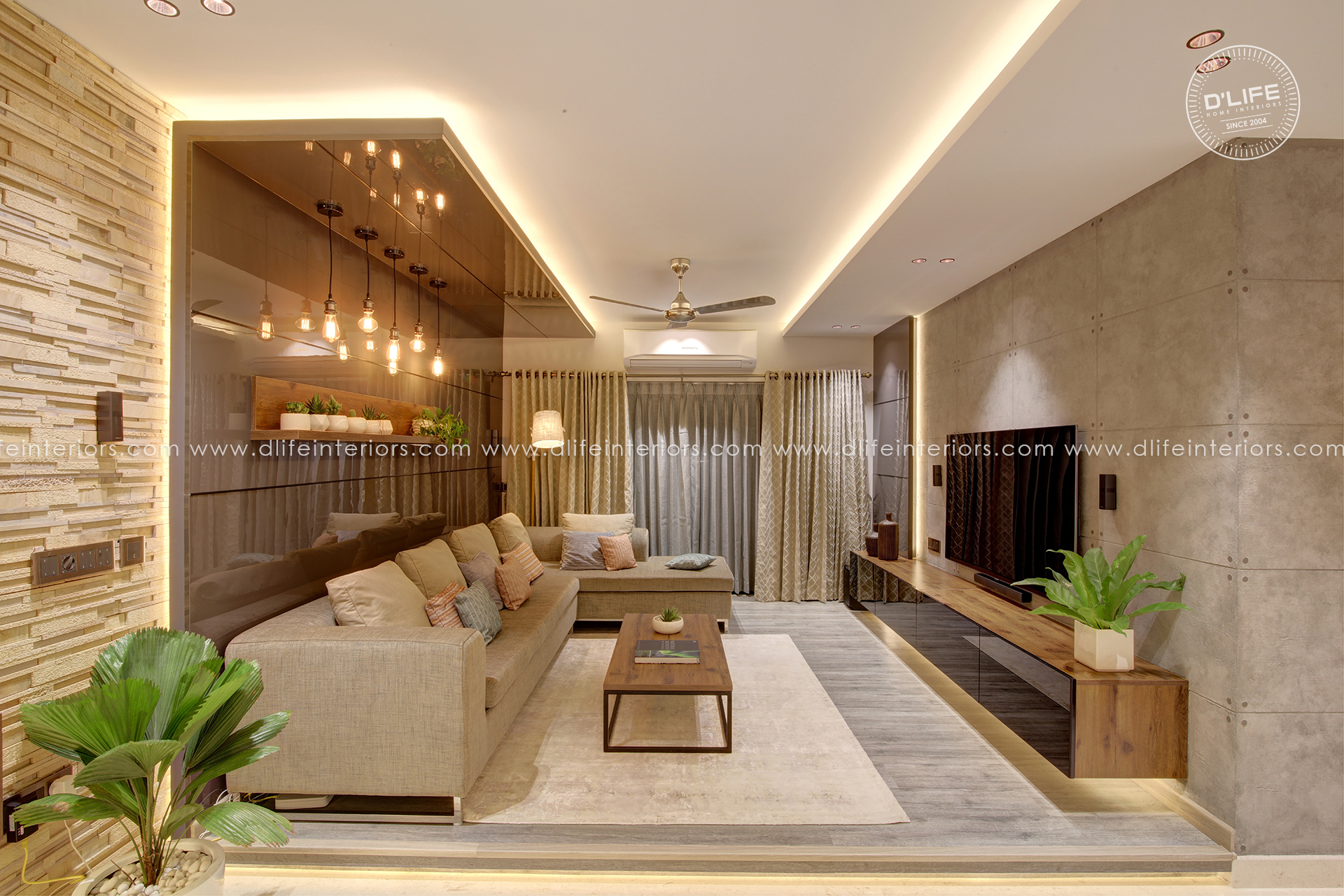
Finally, incorporating natural light can dramatically influence the feeling of proportions. Natural light should be maximized with light window treatments to allow light to stream through. Luxury Interior Designers South Florida can also be carefully placed to redirect light and generate a feeling of depth. A harmonious scheme that includes soft hues can enhance the sense of roominess, ensuring that the spaces appears cohesive and welcoming. By merging these factors, even the most compact of areas can be converted into chic and practical retreats.
The Power of Shade and Light in Interior Design
Hue and illumination play pivotal roles in setting the ambience and environment of any interior space. The science of hue reveals that different hues can bring about specific feelings and responses. For instance, warm colors like reds and tangerines foster vitality and warmth, while cooler shades such as blues and greens encourage tranquility and relaxation. Comprehending how to skillfully use color in interior design enables interior designers to craft harmonious and inviting environments that align with the occupants’ emotions and tastes.
Daylight is an additional essential element in indoor design that can significantly influence how colors are perceived. Welcoming plenty of sunlight into a room not just enhances its aesthetic appeal but also beneficially affects the psychological health of its inhabitants. Strategic arrangement of openings and the use of mirrored surfaces can increase the impact of natural light, ensuring that each room feels airy and lively. Using illumination effectively can transform any space into a cozy refuge, highlighting the selected color palette.
Integrating hues and illumination improves the complete interior design harmony of a space. https://collins-knight.thoughtlanes.net/the-psychology-behind-spaces-how-interior-design-affects-mood allows for the making of layered experiences that go beyond mere sight. For instance, strategically arranging feature walls in bold hues illuminated by gentle artificial lighting can form cozy and striking focal points. As designers explore creative lighting solutions, such as flexible lighting and ambient lighting, they can further enhance the emotional impact of color, ultimately designing spaces that are not only beautiful but also profoundly soothing and practical.